
How To Wrap Ribs In Butcher Paper
How To Wrap Ribs In Butcher Paper - Aluminum foil creates a tighter seal, trapping moisture and producing a. Aluminum foil creates a more airtight seal, trapping moisture and heat inside. Sometimes they unwrap it and roast it again to firm up the surface, sometimes they don’t. Two primary options for wrapping pork ribs are butcher paper and aluminum foil. The biggest benefit of butcher paper is that it’s less susceptible to tearing. The concept is a descendant of the tropical technique of wrapping meat in banana leaves.
You’re also not saturating the paper, you’re spritzing it so that it’s workable and so that you can create a tighter seal on your ribs. Butcher paper is a breathable material that allows moisture to escape while preventing the ribs from drying out. The wrapping process allows the ribs to absorb the flavors of the rub and smoke more effectively, creating a symphony of flavors. If you crave a nice crispy bark on your ribs, butcher paper is the way to go. Butcher paper allows the smoke to penetrate the meat and absorbs the fat as it renders so your ribs are tender and juicy, but still have a nice, delicious bark.

How to Wrap Ribs in Butcher Paper BBQ Ribs Guide
Spritz the upper portion of the butcher paper. The concept is a descendant of the tropical technique of wrapping meat in banana leaves. It’s also fairly cheap and can be made malleable by spritzing with water during application. Wrapping ribs in foil or butcher paper creates a sealed environment, preventing moisture loss and keeping the ribs tender and moist. Two.

How To Wrap Meat In Butcher Paper? Few Easy Steps
Butcher paper allows the ribs to breathe while retaining moisture, resulting in a crispy exterior. Place the ribs in the center of the paper, bone side down. Two primary options for wrapping pork ribs are butcher paper and aluminum foil. Butcher paper is a breathable material that allows moisture to escape while preventing the ribs from drying out. The wrapping.

How To Wrap Pork Butt In Butcher Paper? Simple Steps
Because the paper allows more moisture to pass through, the bark won’t soften as much as it will inside a foil wrapper. Butcher paper allows the smoke to penetrate the meat and absorbs the fat as it renders so your ribs are tender and juicy, but still have a nice, delicious bark. Place the ribs in the center of the.
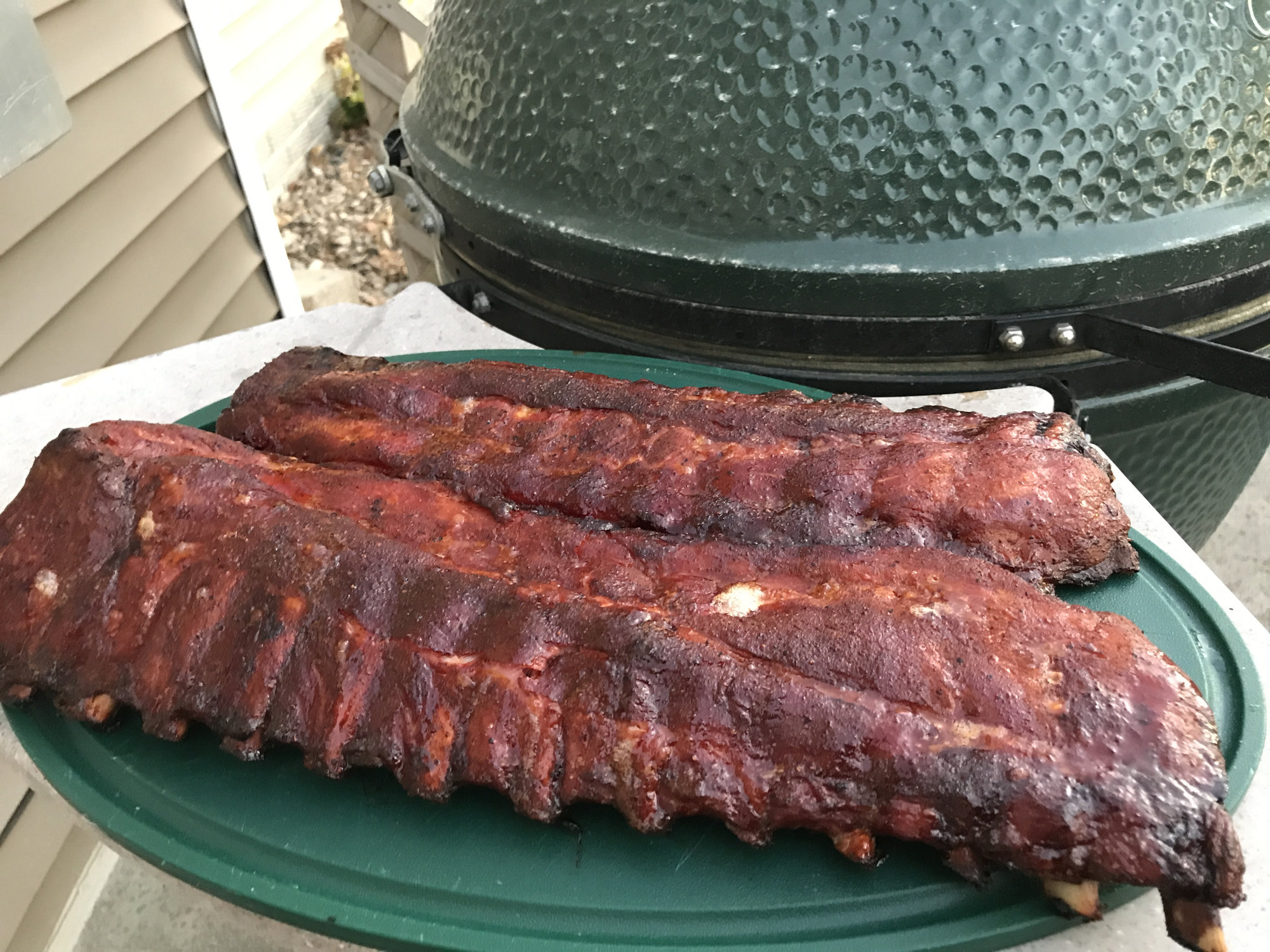
Butcher paper and Ribs — Big Green Egg Forum
Butcher paper allows the ribs to breathe while retaining moisture, resulting in a crispy exterior. Aluminum foil creates a tighter seal, trapping moisture and producing a. Really any liquid you have on hand. St louis spare ribs smoked over hickory wood and wrapped with butcher paper in order to get the perfect bark on ribs. This can be with warm.

How to Wrap Ribs in Butcher Paper (with Pictures!) Barbecue FAQ
Aluminum foil creates a more airtight seal, trapping moisture and heat inside. Once your ribs have been seasoned and are ready for smoking, follow these steps: Spritz the upper portion of the butcher paper. Place the ribs in the center of the paper, bone side down. Wrapping ribs in butcher paper is a relatively simple process.
How To Wrap Ribs In Butcher Paper - Place the ribs in the center of the paper, bone side down. Wrapping ribs in foil or butcher paper creates a sealed environment, preventing moisture loss and keeping the ribs tender and moist. It’s also fairly cheap and can be made malleable by spritzing with water during application. Make sure the foil conforms to the shape of. If you crave a nice crispy bark on your ribs, butcher paper is the way to go. Butcher paper allows the smoke to penetrate the meat and absorbs the fat as it renders so your ribs are tender and juicy, but still have a nice, delicious bark.
If you crave a nice crispy bark on your ribs, butcher paper is the way to go. It’s also fairly cheap and can be made malleable by spritzing with water during application. Aluminum foil creates a tighter seal, trapping moisture and producing a. Butcher paper allows the ribs to breathe while retaining moisture, resulting in a crispy exterior. You’re also not saturating the paper, you’re spritzing it so that it’s workable and so that you can create a tighter seal on your ribs.
It Is Ideal For Creating A Slightly Crispy Exterior.
Aluminum foil creates a tighter seal, trapping moisture and producing a. Spritz the upper portion of the butcher paper. Butcher paper allows the ribs to breathe while retaining moisture, resulting in a crispy exterior. Make sure the foil conforms to the shape of.
You’re Also Not Saturating The Paper, You’re Spritzing It So That It’s Workable And So That You Can Create A Tighter Seal On Your Ribs.
The concept is a descendant of the tropical technique of wrapping meat in banana leaves. Wrapping ribs in butcher paper is a relatively simple process. Really any liquid you have on hand. The biggest benefit of butcher paper is that it’s less susceptible to tearing.
Butcher Paper Is A Breathable Material That Allows Moisture To Escape While Preventing The Ribs From Drying Out.
Butcher paper allows the smoke to penetrate the meat and absorbs the fat as it renders so your ribs are tender and juicy, but still have a nice, delicious bark. Sometimes they unwrap it and roast it again to firm up the surface, sometimes they don’t. Because the paper allows more moisture to pass through, the bark won’t soften as much as it will inside a foil wrapper. Aluminum foil creates a more airtight seal, trapping moisture and heat inside.
It’s Also Fairly Cheap And Can Be Made Malleable By Spritzing With Water During Application.
Once your ribs have been seasoned and are ready for smoking, follow these steps: Two primary options for wrapping pork ribs are butcher paper and aluminum foil. The wrapping process allows the ribs to absorb the flavors of the rub and smoke more effectively, creating a symphony of flavors. This can be with warm water, acv, apple juice, beer, etc.